The
journal.
Field notes from the Bridges crew — written from real job-site experience, one driveway at a time.
More mobile detailing guides and local insights from the Bridges crew in Kaufman County. This run of articles goes deeper into the hands-on work: interior detailing technique, removing scratches and swirl marks, cleaning and conditioning leather seats, clearing hard-water spots, and eliminating smoke smell for good. Alongside the how-to guides you will find local service-area context for the East DFW route, from Kaufman and Forney to Rockwall, Heath, Terrell, and south into the Cedar Creek Lake corridor of Henderson County.
Every article is written by the person who does the actual detailing, not spun from a template, so the advice reflects what genuinely works on North Texas paint and interiors through real Texas heat, pollen, and hard water. If a guide convinces you the job is better left to a professional, Bridges brings the full mobile setup to your driveway, office, or job site, fully self-contained with onboard water and power.
This page of the archive holds the journal's earliest foundations — among them the original North Texas paint correction explainer, the car wash versus detail comparison that still settles most first-call questions, and the field-tested product roundup written for Texas heat rather than borrowed from a spec sheet. These pieces went up first, and nearly every newer article on page one builds on ground rules they laid down: what machine polishing can and cannot fix, why a hand wash beats a tunnel wash, and which products actually earn a spot on a mobile rig.
A note on how the journal is organized: articles run newest to oldest, so page one always carries the latest seasonal guides while this page keeps the evergreen reference material a first-time detailing customer usually wants — what a service actually includes, what it costs, and which problems are worth professional equipment rather than a Saturday afternoon. Prices and package contents quoted in older articles are kept current on the services pages rather than edited retroactively here, so when a number differs, the service page wins. For coverage questions, the service-area pages list every city on the East DFW route, and the booking page shows live availability for all of them.
You're on page 2 of 2 — the Journal continues on page 1.
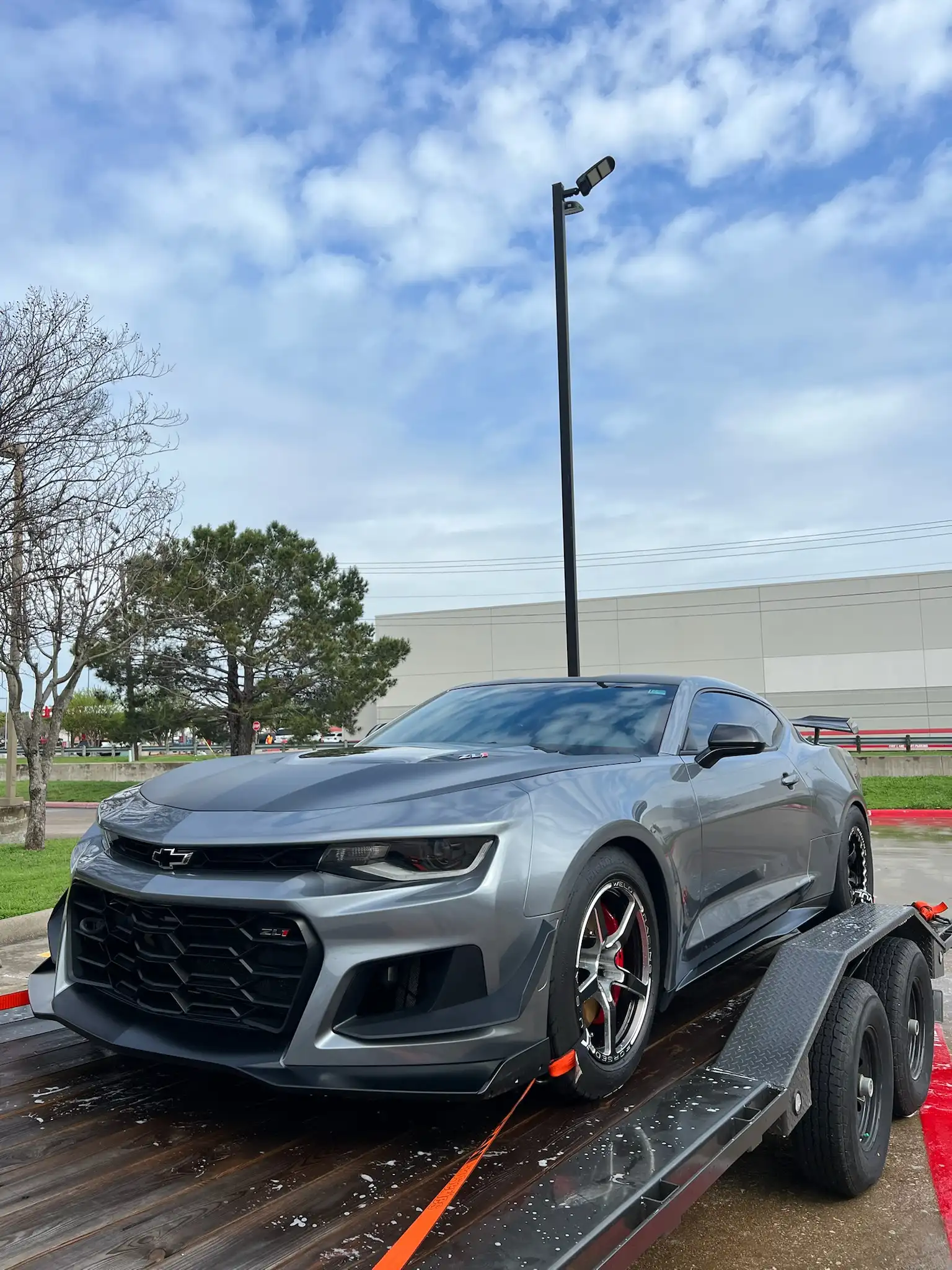
HOA Rules on Driveway Car Washing: What Texas Homeowners Need to Know
Texas HOA rules on driveway car washing — what's typically allowed, what's not, why these rules exist, and how mobile detailing fits within HOA expectations.
Read more →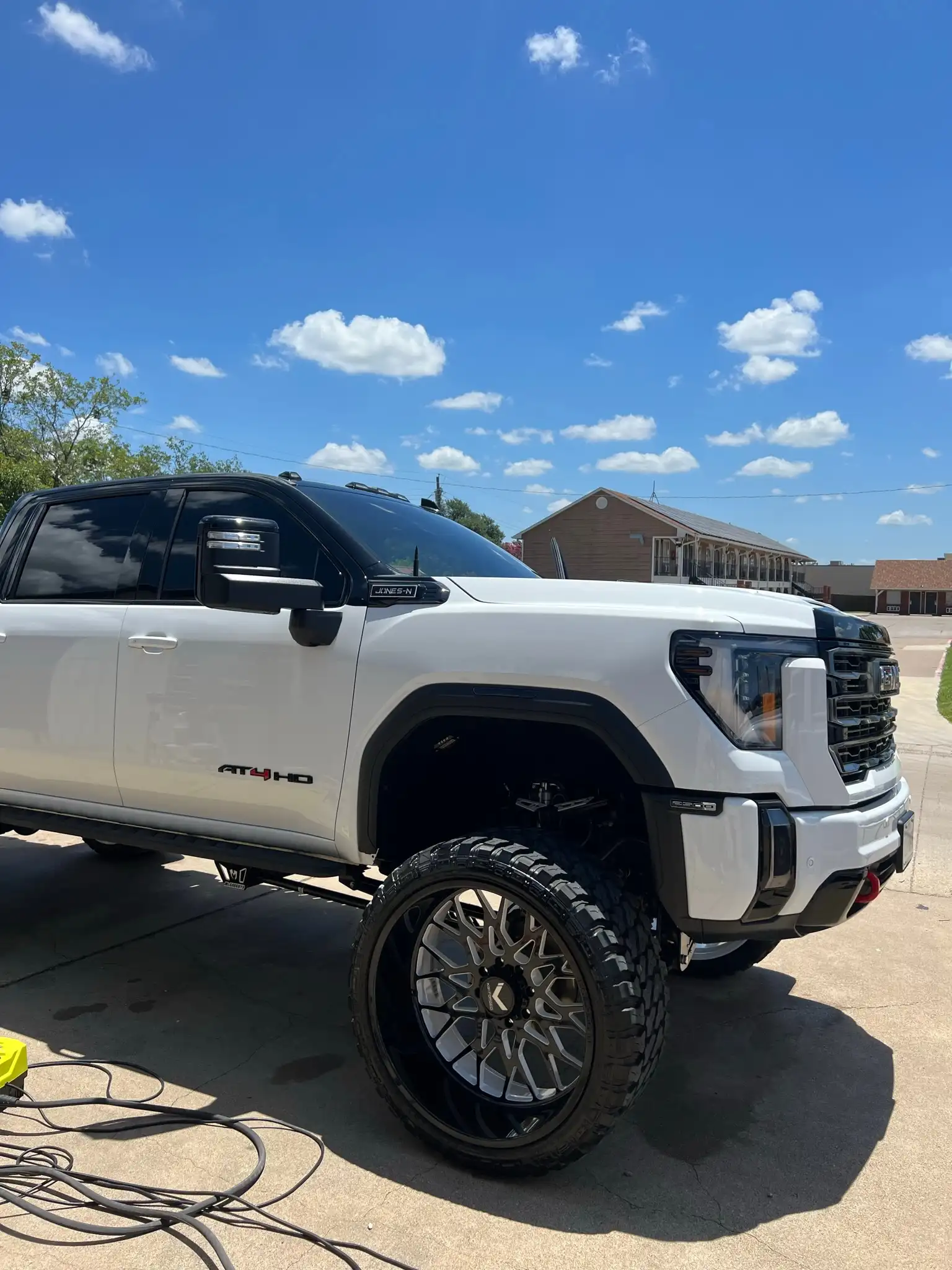
How Often Should You Detail Your Car in Texas? (A Realistic Schedule)
A realistic Texas detailing schedule from a working detailer: hand wash every 2–4 weeks, full detail every 3–4 months, and when to hold the short end.
Read more →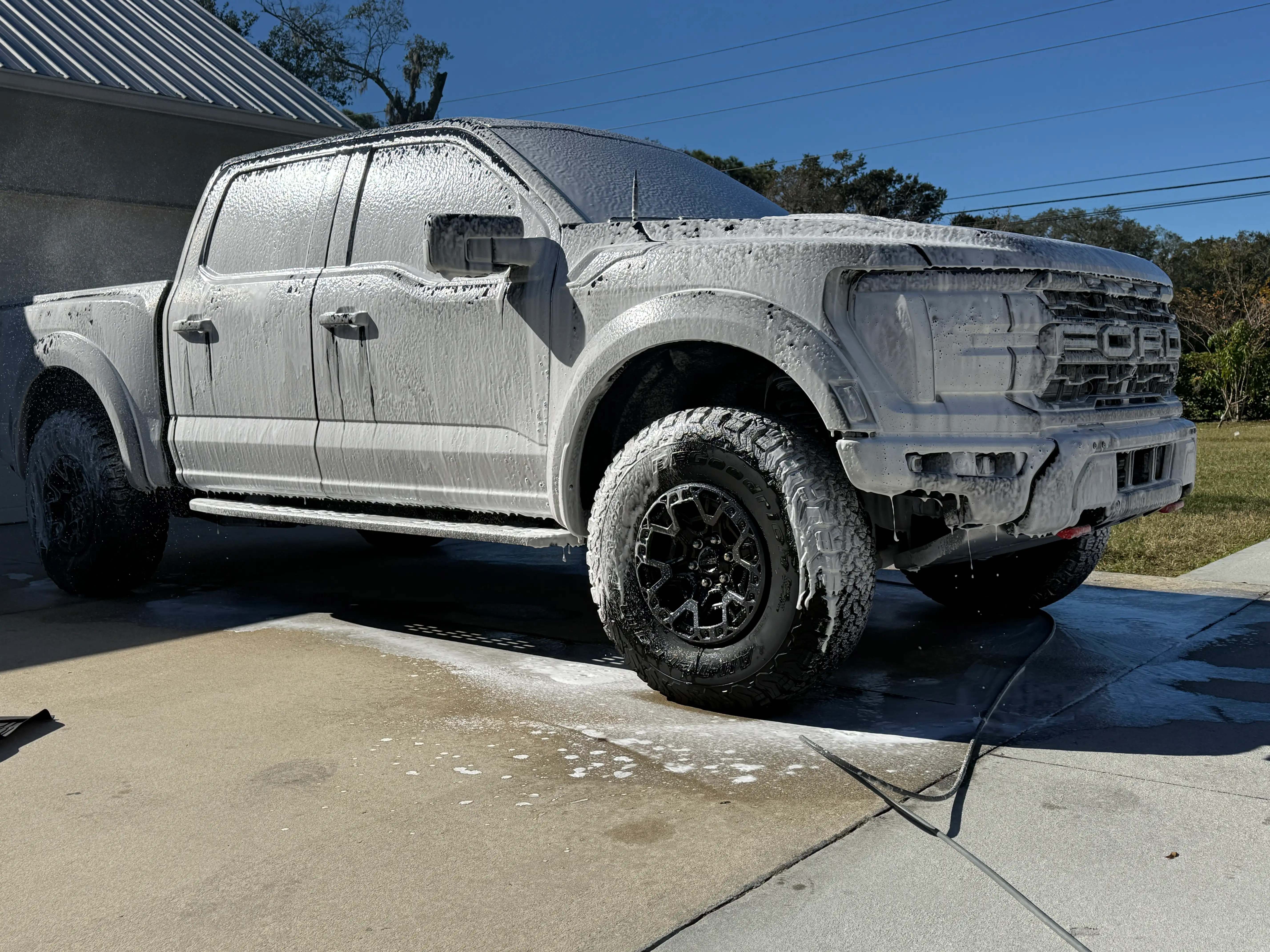
Ceramic Coating Cost in 2026: What $399, $599, and $899 Actually Buy
Ceramic coating cost in 2026: Standard $399+, Premium $599+, Elite $899+ explained — warranties, Texas lifespan, and when a coating is not worth it.
Read more →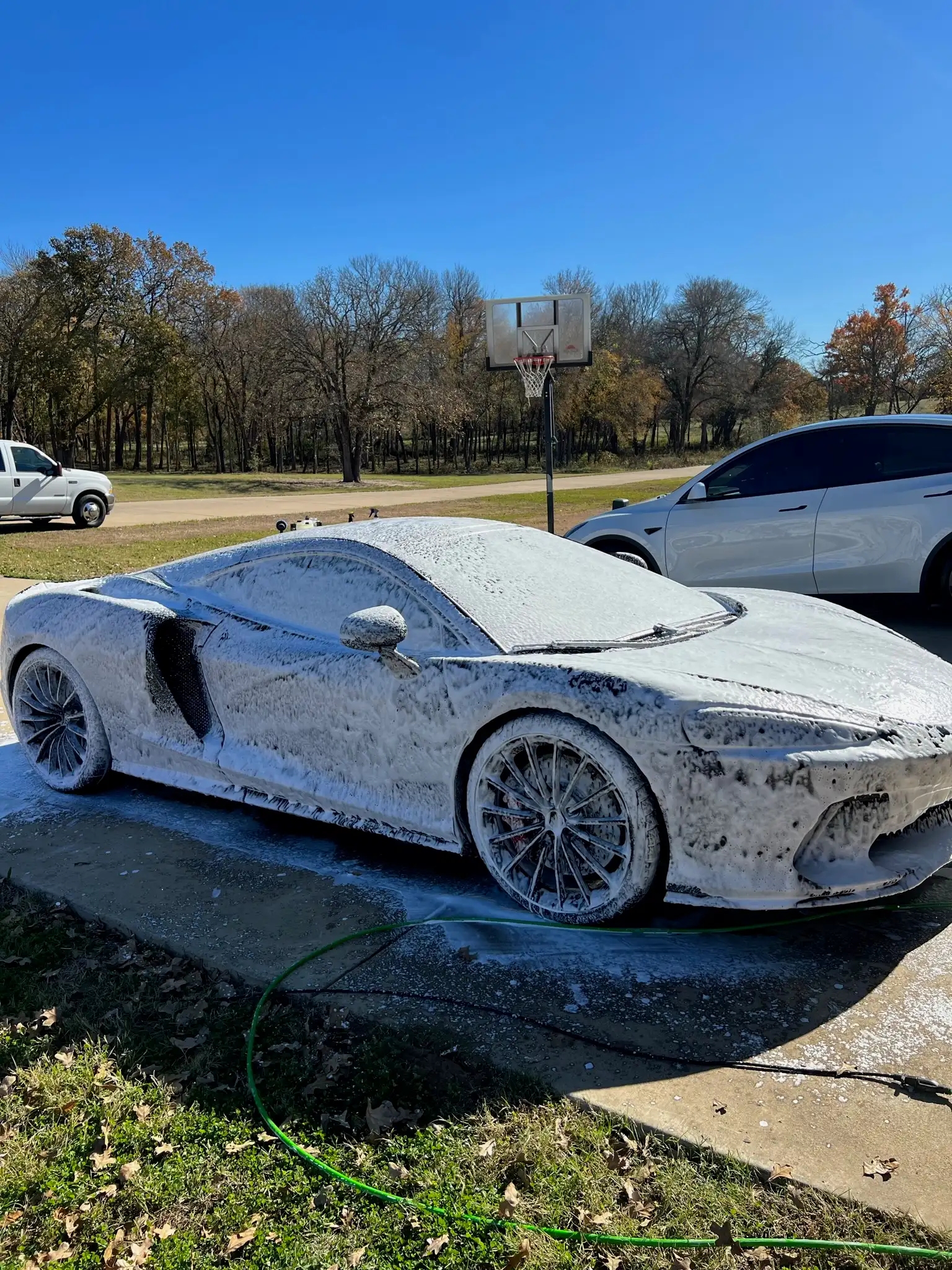
Spring Car Detailing Checklist for Texas Vehicles
Get your vehicle ready for North Texas summer with this spring car detailing checklist. Bridges Mobile Detailing serves Kaufman County and the surrounding area.
Read more →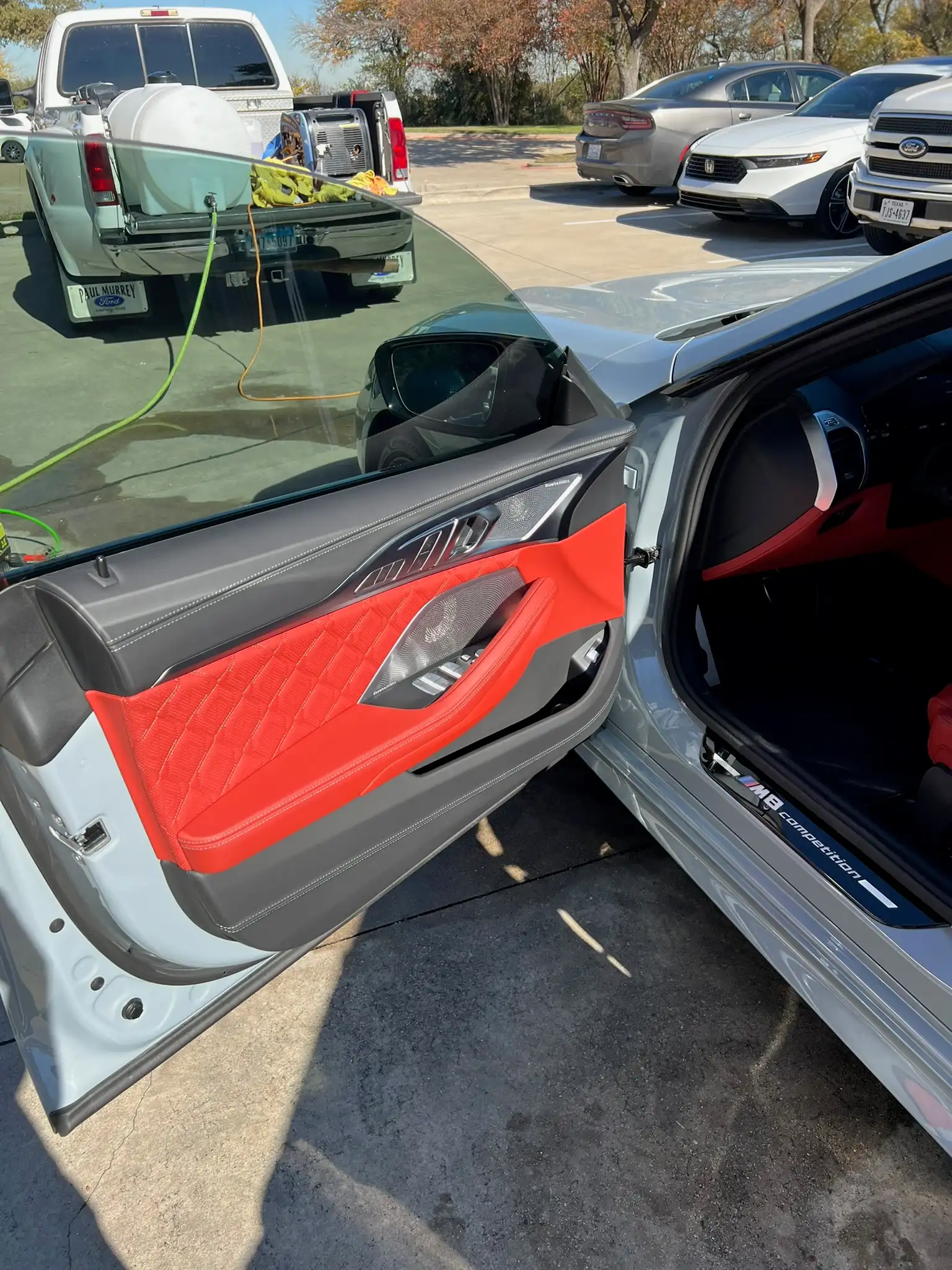
Should You Detail Your Car Before Selling It? An Honest Guide
A professional detail before selling your car in Kaufman County can add hundreds to the sale price. Here's exactly what to do — and what not to do — before you list.
Read more →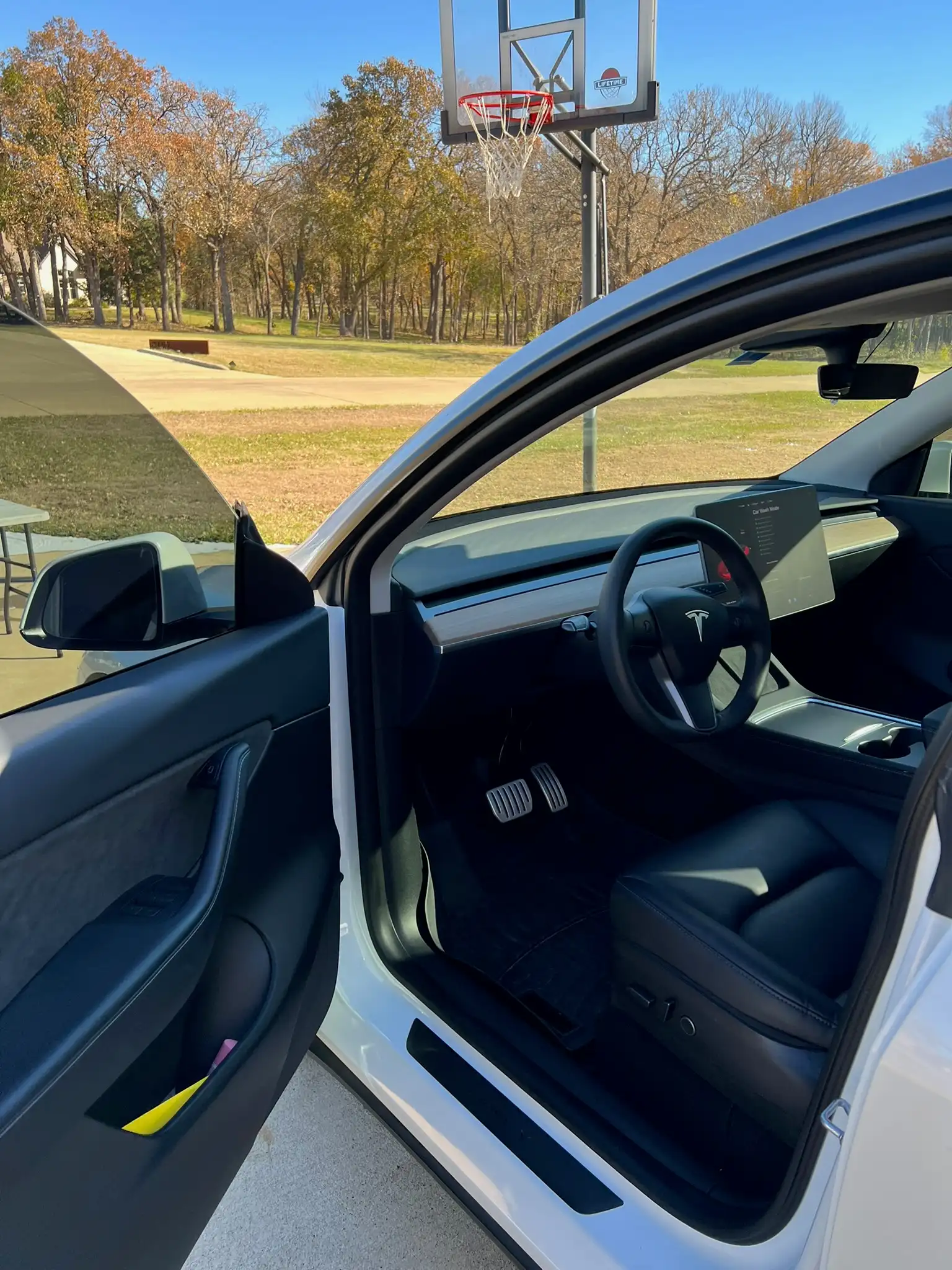
How to Clean Leather Car Seats Without Damaging Them
Cleaning leather car seats the wrong way causes cracking and fading. Learn the right products, technique, and conditioning process — from Bridges Mobile Detailing.
Read more →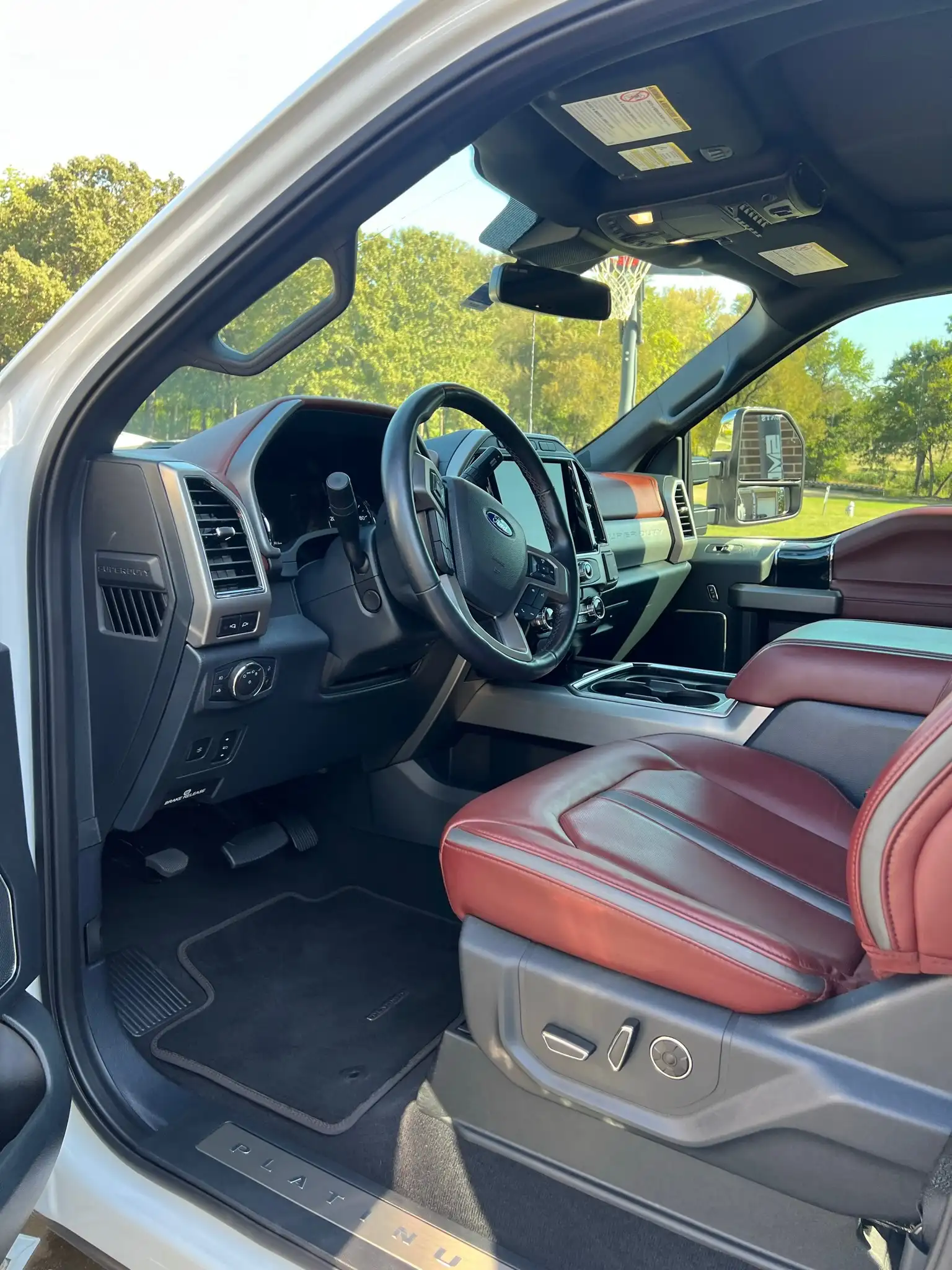
How to Get Smoke Smell Out of Your Car for Good
Cigarette smoke smell in a car requires more than an air freshener. Learn how to eliminate smoke odor permanently — and when professional ozone treatment is necessary.
Read more →
How to Remove Water Spots from Your Car in Texas
Learn how to remove water spots from your car's paint, windows, and windshield — and stop hard water stains from coming back. A Kaufman County guide.
Read more →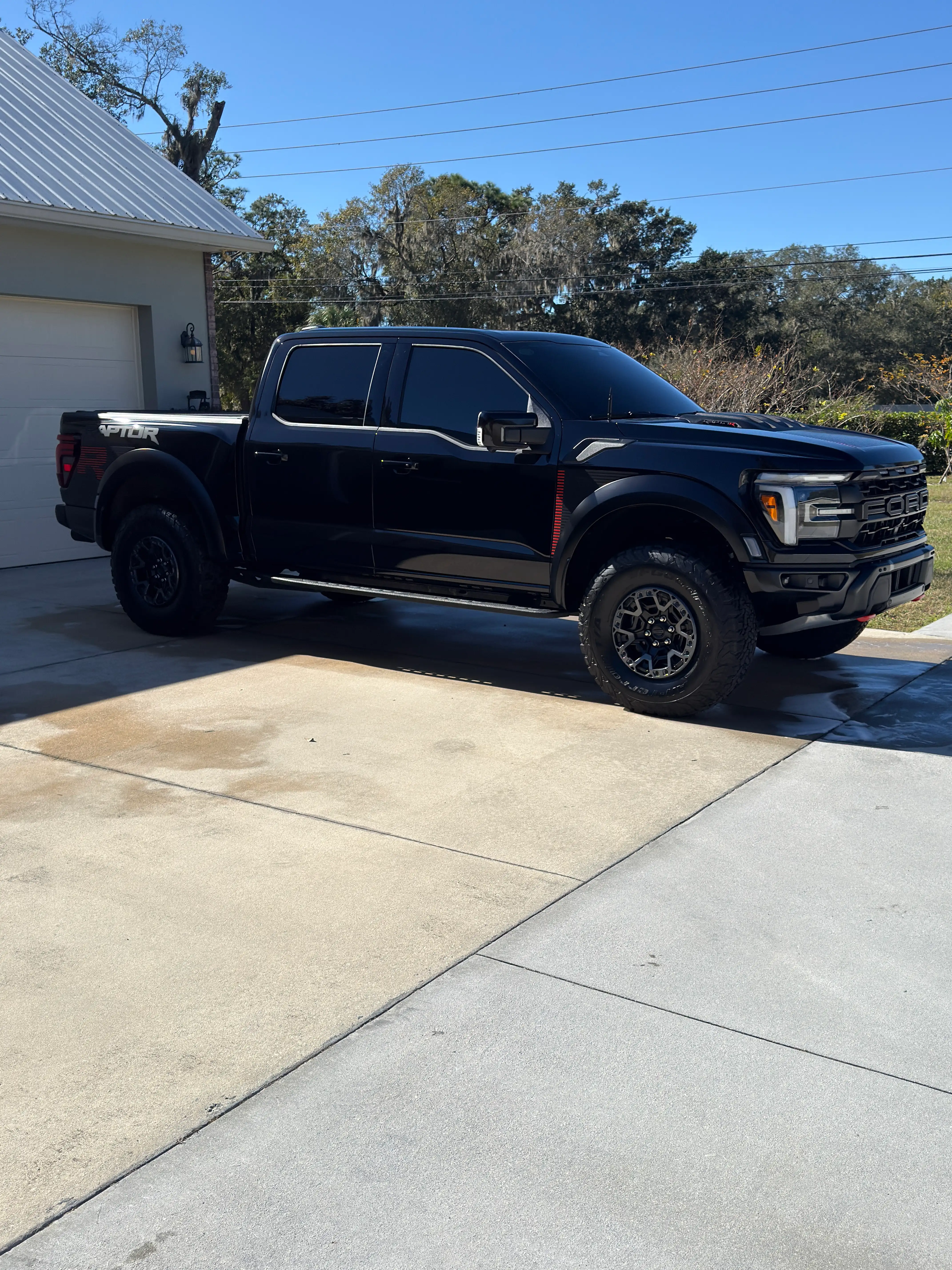
What Cedar Creek Lake Water Does to Your Boat's Gel Coat (and How to Fix It)
How to clean a fiberglass boat hull, plus mobile boat detailing at Cedar Creek Lake and Lake Ray Hubbard. Bridges serves Kaufman County lake communities.
Read more →
How to Clean Car Seats: Cloth, Fabric, Vinyl, and Everything In Between
The complete guide to cleaning cloth, fabric, and vinyl car seats — and when leather needs its own process. Bridges Mobile Detailing, Kaufman County TX.
Read more → How to Remove Scratches from Your Car: A North Texas Guide
Learn how to remove scratches from your car the right way — plus when to call a professional. Bridges Mobile Detailing serves Kaufman County and North Texas.
Read more → 10 Auto Detailing Tips for North Texas Drivers (Heat, Dust, Pollen, and Hard Water)
An educational checklist for protecting your paint and interior between professional appointments. Built specifically for North Texas conditions — heat, red-clay dust, pollen, and hard water.
Read more → Best Car Detailing Products for Texas Vehicles: What the Professionals Actually Use
A look at the professional-grade detailing products Bridges Mobile Detailing uses in Texas heat — and why consumer-grade products fall short here.
Read more → Mobile Detailing vs. the Car Wash: What You're Actually Paying For
A $12 wash and a $129 detail aren't competing products. What tunnel brushes do to paint, the real annual math, and when each is the right call in Kaufman, TX.
Read more → Paint Correction in North Texas: How to Fix Swirl Marks and Oxidation on Your Vehicle
Swirl marks, haze, and oxidation are correctable. Here’s how professional paint correction works, when to use it, and why it comes before ceramic coating.
Read more →Browse the guides by topic
The Bridges journal is organized around the questions North Texas drivers actually ask. A few starting points:
- Paint protection: what ceramic coating costs, how long it lasts, and when it's worth it, plus the paint correction guide.
- Interior care: how to clean car seats across fabric, leather, and vinyl, removing smoke smell for good, getting weed smell out of a car, and cleaning leather without drying it out.
- Paint and finish: removing swirls and scratches and clearing hard-water spots.
- Local and practical: the difference between a car wash and a detail, how often to detail in North Texas, and the HOA rules on driveway car washing that catch a lot of homeowners off guard.
Every guide is written from real job-site experience across Kaufman County, Rockwall County, and the East DFW route, not generated filler. When the DIY route is not worth the time, Bridges brings the full mobile setup to your driveway. See the service menu, check your area on the Kaufman County page, or reserve a window.
How these guides get written
Every article in the journal starts as a question asked in someone's driveway. When the same question keeps coming up during appointments — why the swirls came back, whether a stain is permanent, what actually caused the haze on a hood — it earns a guide. The writing comes from completed jobs, not from a content calendar: what worked, what didn't, and what had to change halfway through when the usual method wasn't cutting it. Nothing here is spun from a manufacturer's marketing sheet, and nothing is written by someone who hasn't held the polisher.
How to use the journal
Each guide stands on its own — there is no required reading order, so start with the problem in front of you. Most guides take an honest DIY-first approach: they walk through doing the work yourself, name the products and technique that genuinely work, and then say plainly where the do-it-yourself route stops making sense — usually at a tool you would only use once, or a mistake that is expensive to undo.
The FAQ section near the bottom of most guides answers the short, specific questions people actually ask, so if you are in a hurry, skim there first. Related guides are linked throughout, because one answer usually leads straight to the next question you were going to ask anyway. If two guides seem to cover similar ground, read the one that matches your symptom rather than your suspicion — a surprising number of problems that look like paint damage turn out to be surface contamination, and the fix for one is a fraction of the effort of the other.
Kept current, not just published
Guides get revised when techniques, products, or recommendations change — the publish date is a starting point, not an expiration date. Seasonal pieces are timed to land when their problems actually show up: pollen coverage arrives ahead of spring, sun-damage material before the heat peaks, and interior deep-clean guidance for the stretch of the year when everyone starts living inside their vehicles again. And if you read a guide and still have a question it did not answer, ask — reader questions are where a good share of future guides come from, and the ones that make it in get answered from real hands-on experience, the same as everything else here.