An atelier
of one.
Bridges Mobile Detailing is owner-operated by Nate Bridges. One technician, one truck, one schedule, one standard — that is the entire premise of the business, and the reason every vehicle leaves the way it does.
One vehicle
at a time.
I started Bridges because I was tired of seeing how most details ended — a wax slung over panels that hadn’t been clayed, an interior steamed but never properly extracted, a “ceramic” applied over swirls that should have been corrected first.
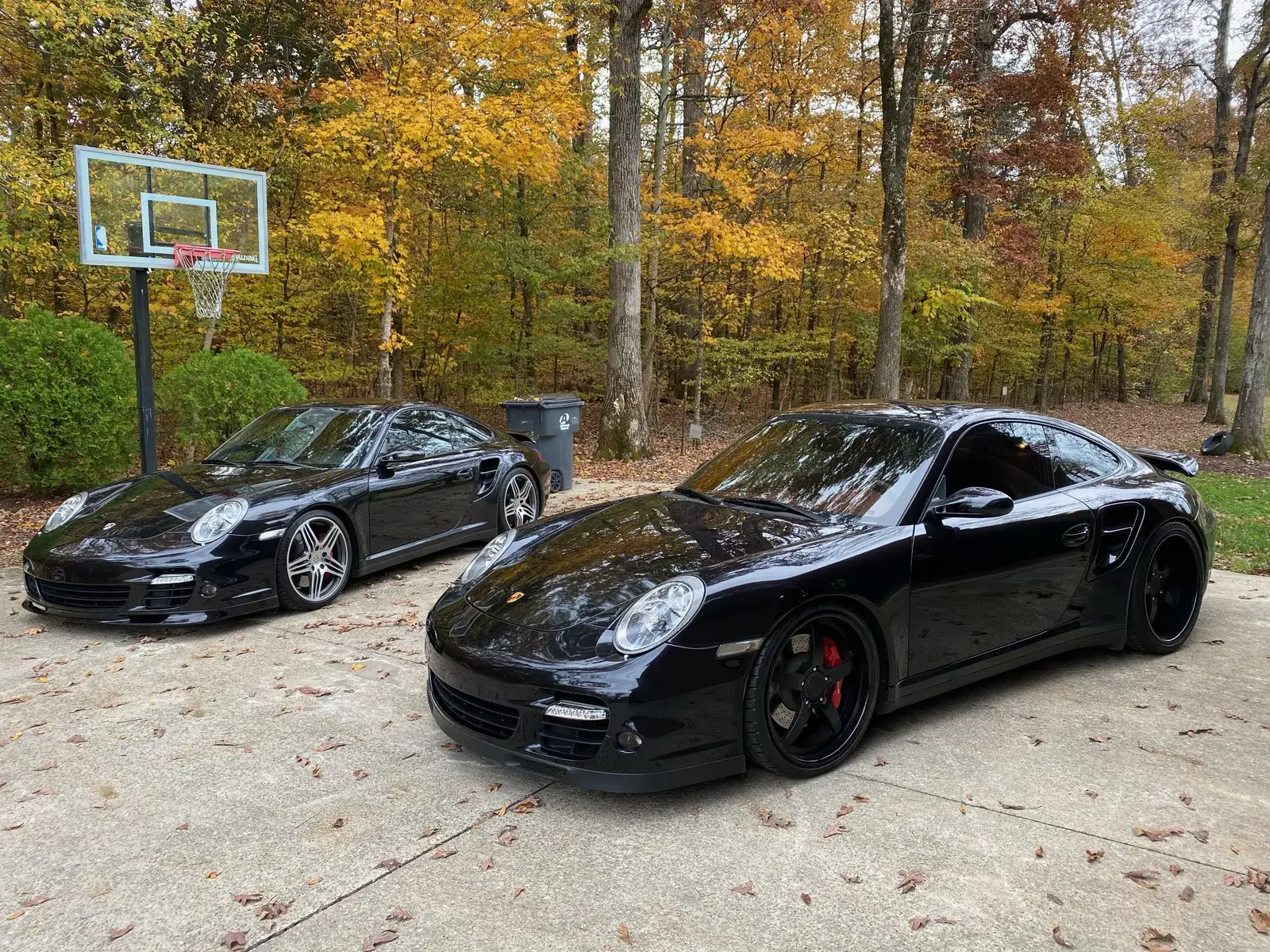
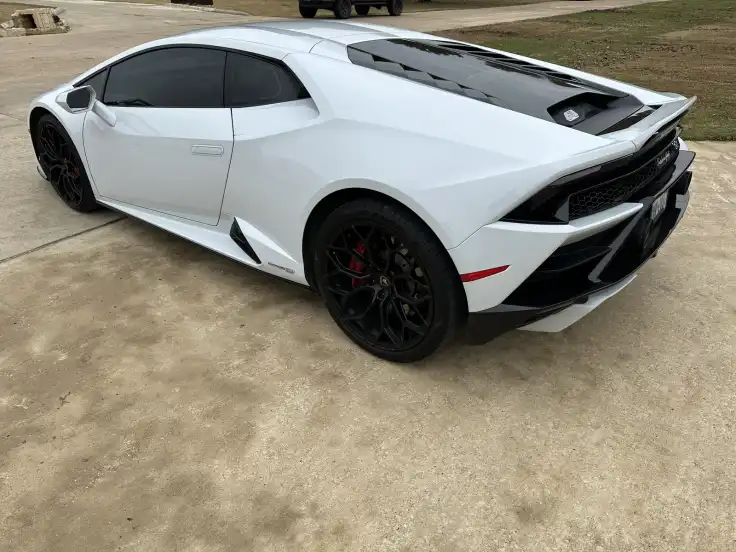
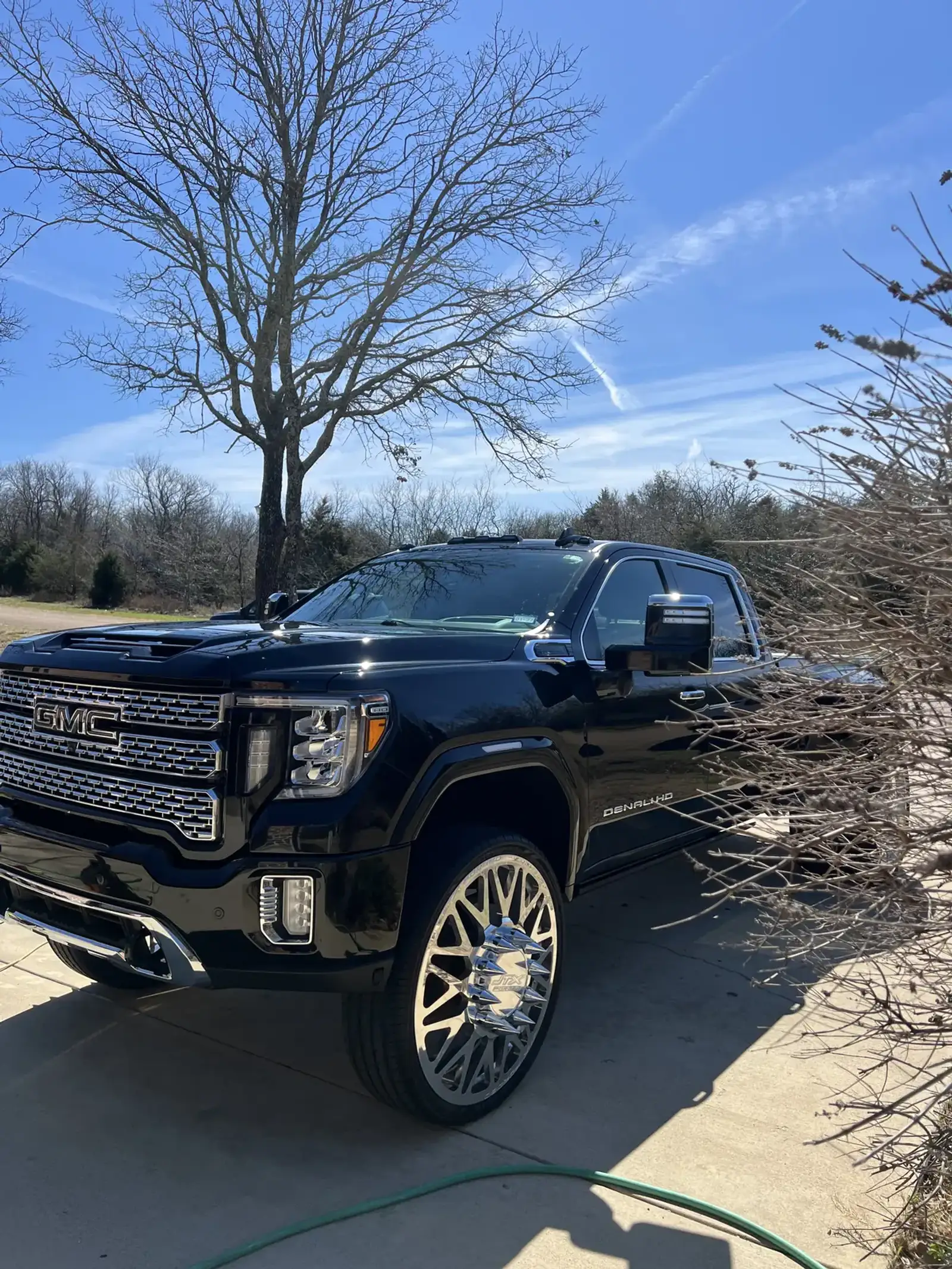
Bridges takes one vehicle at a time. That’s the schedule, by design. Every job receives the prep it needs, the chemistry it’s owed, and a written walk-through before the keys go back. Daily drivers, exotics, lifted diesels, lake-life SUVs — same patience, same standard, every time.
Nate Bridges, Founder · Kaufman, TX
The approach, and why Kaufman County drivers book Bridges
Bridges has been detailing vehicles across Kaufman County since 2021, and in that time the model has not changed: one technician, one truck, one vehicle on the schedule at a time. That is a deliberate constraint. A shop running three bays and a rotating crew has to move cars through quickly; an owner who books a single vehicle per slot can give each one the prep it actually needs. The difference shows up in the parts of a detail nobody photographs, the clay-bar pass before a coating, the second polishing pass on a panel that was not quite right, the door jambs and wheel barrels cleaned by hand.
Most of the route runs through Kaufman and Rockwall counties — regular stops for car detailing in Forney, TX, weekly routes through Terrell, Heath, and Rockwall, and runs out to the Cedar Creek Lake corridor. After five-plus years on these roads, the patterns are predictable: red-clay and limestone dust from county roads, brake dust that bonds to wheels in the heat, sprinkler overspray that etches hard-water spots into clear coat by August, and interiors worn down by long commutes. Knowing what a North Texas vehicle is up against is half of detailing it well, and it is why the chemistry and the schedule are built around local conditions rather than a generic checklist.
What you can count on
Every job is quoted in writing before it starts and walked through with you before payment, so there are no surprises in either direction. The products are professional-grade rather than retail-shelf, and the rig is fully self-contained so nothing depends on your spigot or outlet. Whether the vehicle in the driveway is a daily-driven sedan, a work truck, a lake-life SUV, or an exotic, it gets the same patience and the same standard.
From the first call to the final walk-through, you deal with the same person the whole way through. That continuity is the point of an owner-operated shop, and it is the reason the review history reads the way it does. If it sounds like the way you would want your own vehicle handled, take a look at the service menu, browse recent work in the gallery, or reserve a window and see it firsthand.
How an appointment actually runs
Booking starts with a conversation about the vehicle — what it is, how it is used, what is bothering you about it — and ends with a written quote before anything goes on the calendar. On the day, the truck arrives with everything the job needs: onboard water, a generator for the machines, and panel lighting for the inspection work, so nothing is borrowed from your spigot or your garage outlets. All that is needed from you is access to the vehicle and enough room to work around it; a driveway or an open garage bay both do fine.
The work itself follows the order the surface demands — wash and decontamination before any polishing, polishing before any protection — and the appointment is not over when the machines are packed. Every job ends with a walk-through, panel by panel, so you see exactly what was done and can flag anything before payment changes hands. Texas weather gets a vote too: in high summer the schedule bends toward mornings and shade, because coatings and dressings behave badly on panels too hot to touch, and doing the job right beats doing it fast by an hour.
The standard, written down
"Written scope" is not a slogan; it is a document. The quote lists what will be done, what it costs, and what is explicitly out of scope, so the number agreed before the appointment is the number at the end of the day. If the paint turns out to need more than the quote covered — deeper etching, hidden overspray, a previous owner's swirl-happy buffer work — that becomes a conversation before it becomes work, never a surprise line item afterward.
The same discipline applies to products. Nothing on the truck is there because it is cheap or fast; the coatings, compounds, and interior chemistry listed in the kit below earned their spots on specific surfaces. Retail-shelf products are built to be safe in untrained hands, which means they are built to underperform in trained ones. Professional lines assume the person applying them knows the paint, the pad, and the working temperature — and that assumption is a large part of why the results look the way they do.
Owner-operated, in practice
Plenty of shops describe themselves as owner-operated when the owner runs the front desk. Here it means the owner holds the polisher. The person who answers the phone is the person who quotes the job, drives the truck, does the work, and stands in your driveway at the end walking you around the vehicle. There is no gap between the promise and the person responsible for it. It also means the standard cannot quietly slip on a busy week — there is no crew to hand the overflow to, so the schedule stays small instead of the quality getting thin.
What the same roads teach after five years
Working the same territory year after year builds a pattern library. Spring lays a film of pollen that packs into every seam and cowl. Summer heats clear coat until product flashes dry mid-panel, while sprinkler overspray etches hard-water rings into paint overnight. Fall drops sap and leaf tannin on anything parked under a tree, and a wet winter turns county-road grime into an abrasive paste that hides in rocker panels until someone goes looking for it. None of this is exotic knowledge, but it changes decisions — when to schedule coating work, which wheels get the iron remover twice, why the quote asks where the car sleeps at night. That local pattern-matching is baked into every appointment.
Common questions about working with Bridges
Who actually does the detailing? Nate Bridges, the owner, performs every appointment personally. There are no subcontractors and no rotating crews, so the person who quotes your vehicle is the person who details it and walks it with you at the end.
What areas does Bridges cover? The weekly route covers Kaufman County and Rockwall County, southeast Dallas County around Seagoville, and the Cedar Creek Lake corridor of Henderson County, with no trip charge inside the primary service area.
What kinds of vehicles do you detail? Everything from daily-driven sedans and family SUVs to work trucks, lifted diesels, boats and RVs on the lake, and exotics. The process and the standard stay the same regardless of the vehicle in the driveway.
Do I need to supply water or electricity? No. The rig is fully self-contained — onboard water, generator power, and its own lighting — so the job runs the same in a rural driveway as it does at a house with every utility. If you would rather the generator not run at your address, mention it when booking and the work can be planned around an outlet instead.
What if the weather turns on the day of my appointment? Detailing outdoors is weather-dependent, and pretending otherwise produces bad work. If rain or extreme heat threatens the result, the appointment moves — under a garage roof when there is one, to another slot when there is not. A finish rushed against a storm is not a finish worth paying for.
How far ahead should I book? The schedule takes one vehicle at a time by design, which means slots are genuinely limited. Booking a week or more ahead is the safe play, especially before holidays and lake season. Same-week openings happen, but they cannot be promised.
Four
principles.
One technician.
Every appointment is performed by the owner. The same hands. No subcontractors, no rotating crews.
Pro chemistry.
Gyeon, Koch-Chemie, Chemical Guys, P&S. Coatings, polishes, and extractors built for professional shops, not retail shelves.
Written scope.
Quoted in writing before we start. Walked through with you when we are done. No surprises mid-job.
By appointment.
Slots are limited on purpose. The trade-off for fewer jobs per week is the time to do each one right.
“A good detail isn’t about chemicals. It’s about the time a single vehicle gets — the time to do every step properly, in the right order, with the right product, every single time.
Equipment list,
in full.
- Gyeon Q² MOHS
- Gyeon Q² PURE
- Koch-Chemie 1K-Nano
- Koch-Chemie H8.02
- Koch-Chemie M3.02
- 3D AAT
- Mytee HP60 Spyder Extractor
- Steam-Jet SJ-3000
- Leatherique Rejuvenator
- Two-bucket method · grit guards
- Gyeon Bathe+
- CarPro Iron-X
- Rupes Mark III LHR15
- Flex PXE-80
- Lake Country pads
- Onboard 80-gal water
- 5500W generator
- LED panel lighting
Where we
work.
Based in Kaufman, TX. The route covers all of Kaufman County, Rockwall County, southeast Dallas County, and the Cedar Creek Lake corridor of Henderson County.